JT_Get in touch
All work
AI & Direction

Rubberfashion

European fetish-fashion retailer

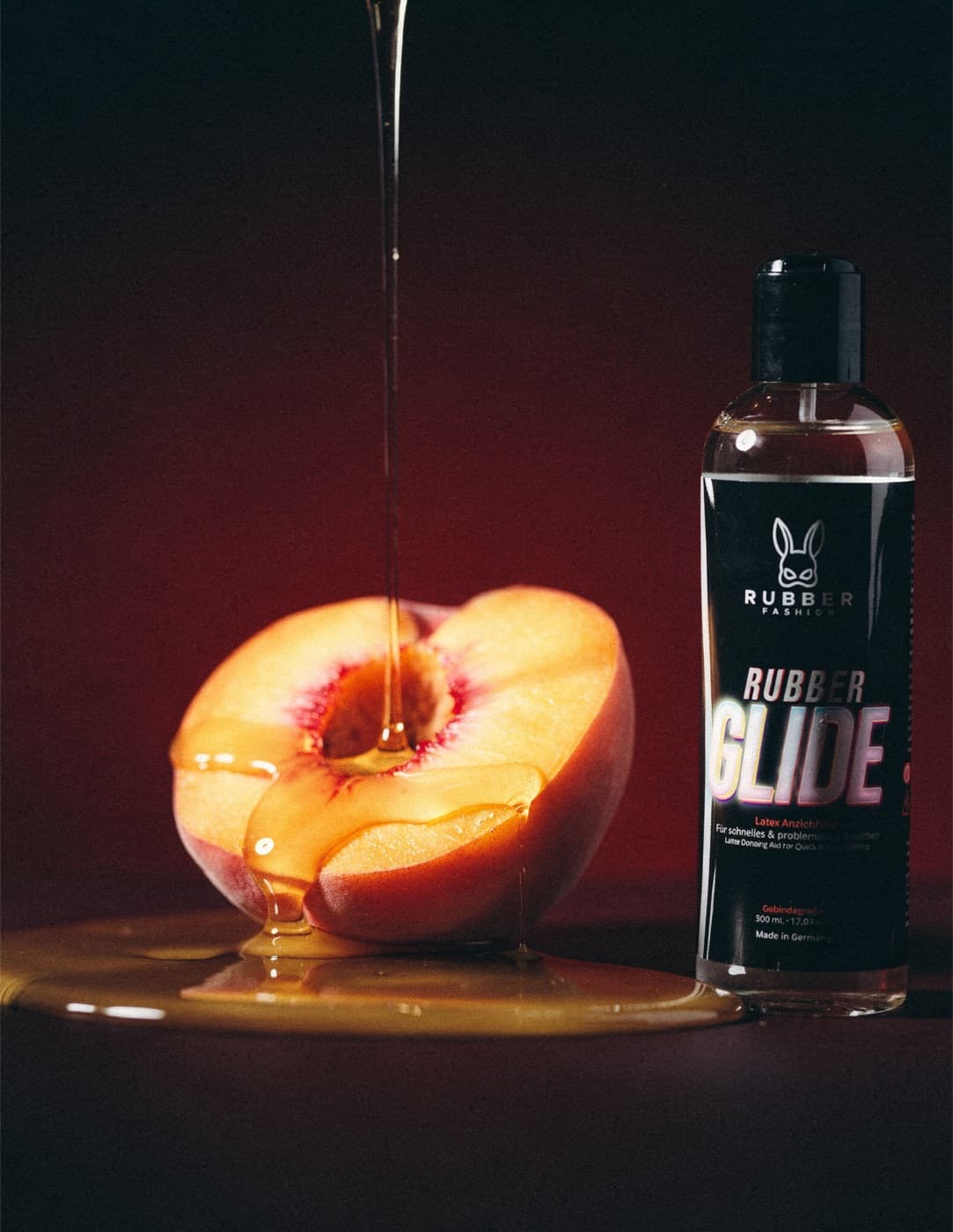
A European fetish-fashion retailer asked me to help them sell on Amazon. What I actually found in their catalogue was a business hiding inside their business: daily wear disguised as kink wear, and repositioning it is now rebuilding everything from the photography to the store's navigation.

Fig. 01
Rubberfashion
AI & Direction

The problem

Rubberfashion came to me with a pile of separate asks: fix the package labels, build out Amazon A+ content, rebuild the storefront, get ad creative running on Taboola, produce social assets, push into Temu. About 50 products, no single deliverable, just a retailer trying to grow past the niche audience that already knew them.

That's the hard ceiling most niche brands hit. You can dominate your core buyers and still be invisible to everyone else, because everything about how you present the product tells outsiders "this isn't for you."

Early positioning leaned into individualism: "wear what you want, be who you are." True, but it still spoke only to people already fluent in kink culture. It didn't open a door for anyone standing outside it.

Rubberfashion

What I found

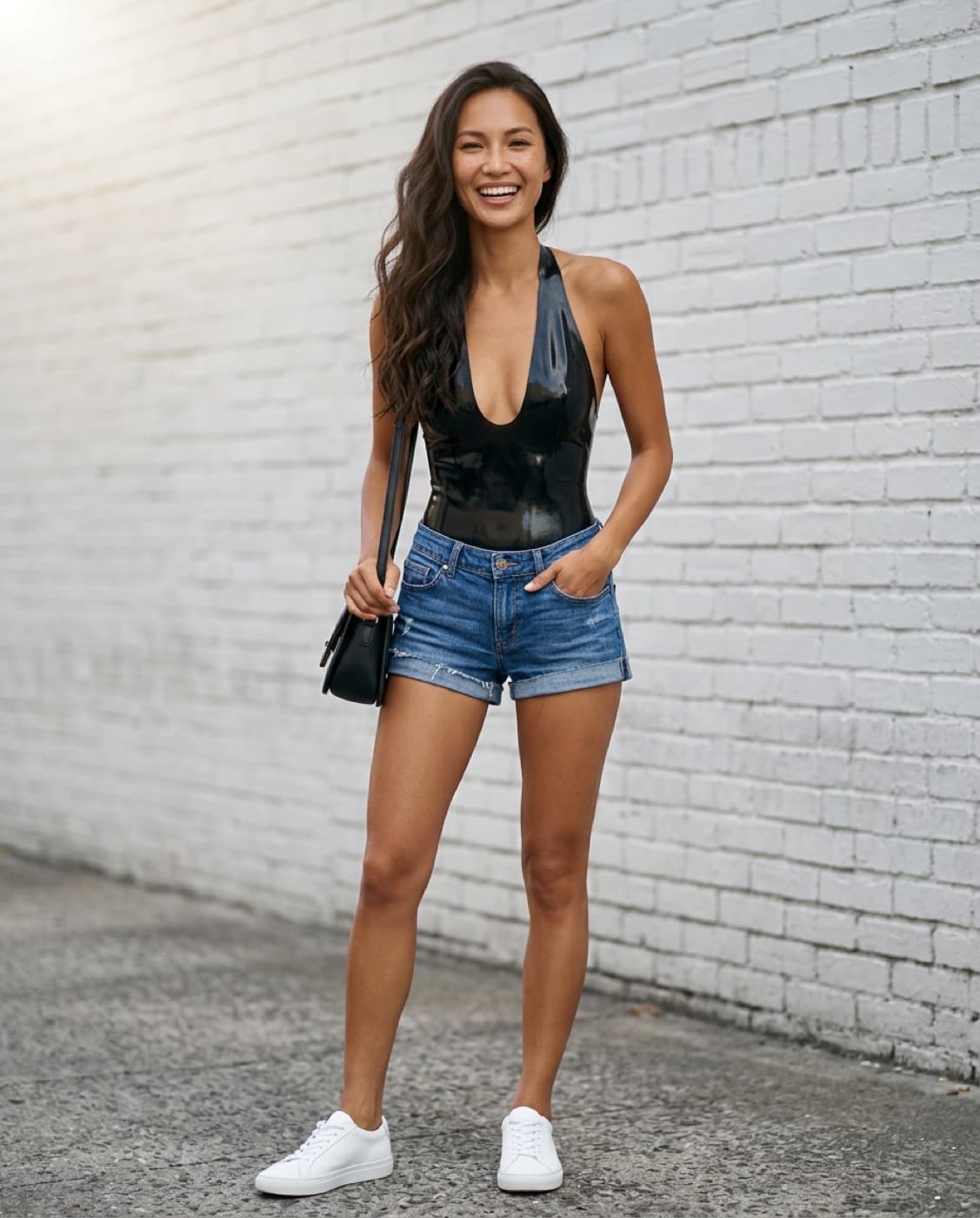
Going product by product to write the USPs, I noticed something the client hadn't framed out loud. A real chunk of the catalogue wasn't fetish-only at all. Pieces that read as everyday wearable if you photographed and copywrote them differently, same product, different door into the same brand.

I named the split directly: daily wear versus kink wear. Not softening what the brand is, just being honest that half the catalogue is fashion first, and treating it that way instead of burying it under one identity.

Rubberfashion

What I did about it

The repositioning meant rebuilding more than copy. The visual direction changed to match, styling and shooting the daily-wear pieces so they read as fashion on first glance, not as a kink product trying to pass. The old photography was built for an audience that already knew what it was looking at. The new direction had to work on someone seeing latex as clothing for the first time.

The storefront needed the same rethink. I dug into how people actually shop Amazon stores, not general UX theory, Amazon-specific behavior, and rebuilt the navigation around it. Fewer categories in the main nav, kink-specific sub-categories moved down into secondary navigation. A shopper landing on "daily wear" doesn't get routed past kink signage to find it. That's a small structural change with an outsized effect on who feels like the store is for them.

Everything downstream is getting rebuilt to match: product listings rewritten, new A+ content, a new brand story module. The rest of the original build stays underneath it: the USP extraction through Claude, image generation across Seedream, Flux, Nano Banana, and Luma, the Temu expansion where I brought a second designer onto the build and held their output to the same bar as my own.

Rubberfashion

What happened

No clean conversion numbers to point to, this wasn't run as an A/B test. But several products hit top 10 in their niche category within about a week of launch under the original positioning. The daily-wear repositioning is newer and still rolling out across the storefront and the listings, the piece of this work I expect to matter most once it's fully live.

Why this one matters to me
Most of what people hire me for looks like production: get the images made, get the store built, ship the assets.

The actual value I added here wasn't any single asset. It was noticing a second market sitting inside a catalogue everyone else was only reading one way, then having the follow-through to rebuild the photography, the store architecture, and the copy around that read instead of leaving it as a one-line insight. That's the part of the job I care about most, and it's easy to miss if you're only counting deliverables.